
The Revolution of AI in UI/UX and Automated Testing
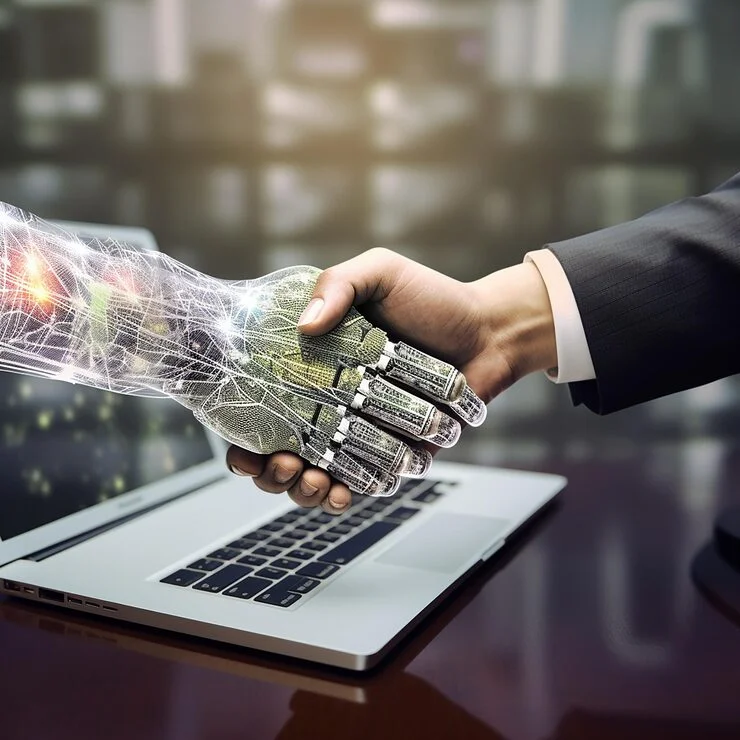
The integration of Artificial Intelligence into the world of design and software quality is no longer a futuristic concept—it is the present reality. For developers and designers, AI has become the ultimate co-pilot, enhancing creativity and ensuring flawless performance.

1. AI-Driven User Research and Data Insights
Understanding user behavior is the foundation of great UX. AI tools can analyze millions of data points, clicks, and scroll patterns to tell designers exactly what users want before they even start designing.
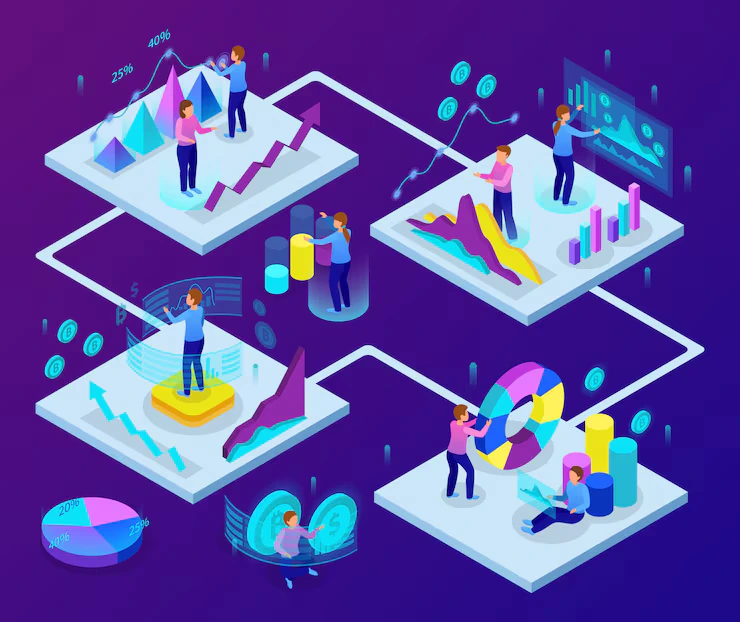
By leveraging machine learning, platforms can now predict user needs and offer personalized interfaces that adapt in real-time to individual preferences.
2. Generative Design and Rapid Prototyping
The days of building every single component from scratch are fading. AI-powered design tools allow creators to generate high-fidelity wireframes and UI components simply by using text prompts or rough sketches.
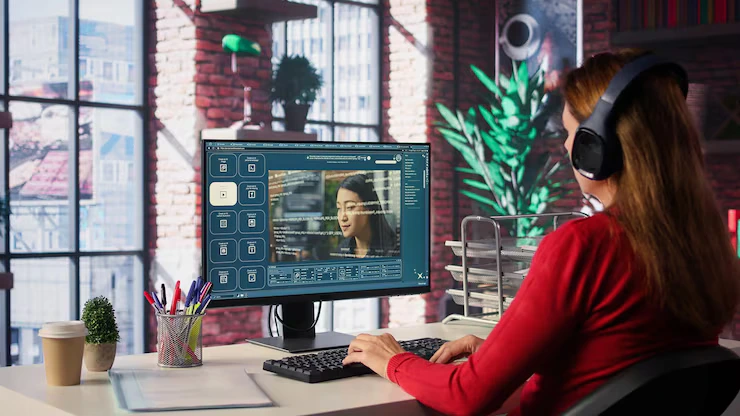
This “Smart Design” approach ensures that the design system remains consistent, scalable, and modern, allowing designers to focus on high-level creativity rather than repetitive tasks.
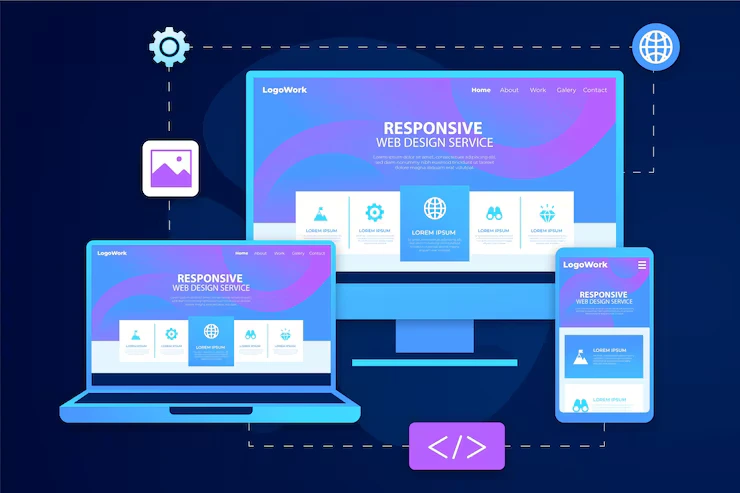
3. The Rise of Self-Healing Automated Testing
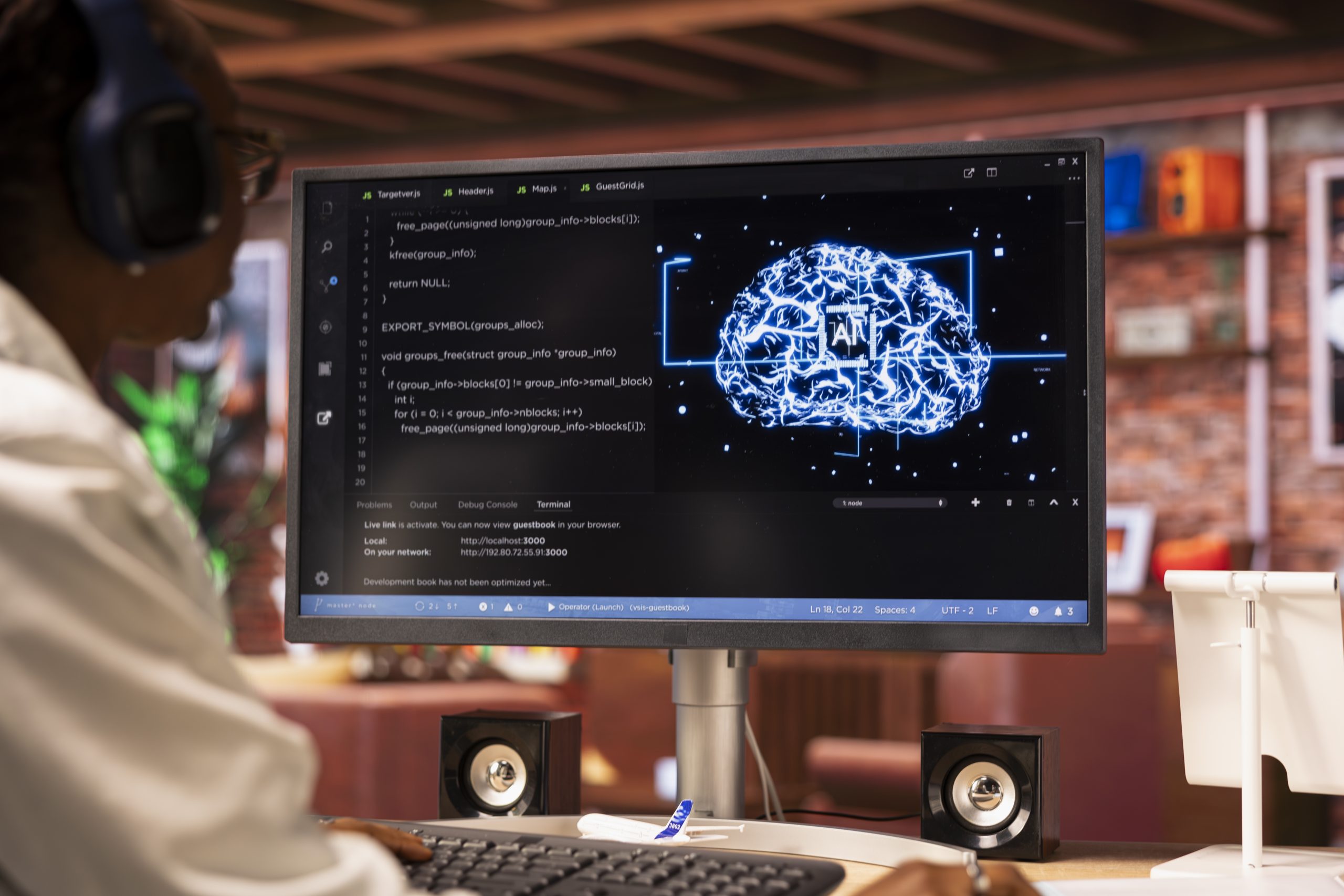
In the world of development, testing is often the biggest bottleneck. AI is revolutionizing this by introducing “Self-Healing” scripts. If a UI element changes its ID or location, the AI recognizes the change and updates the test automatically.
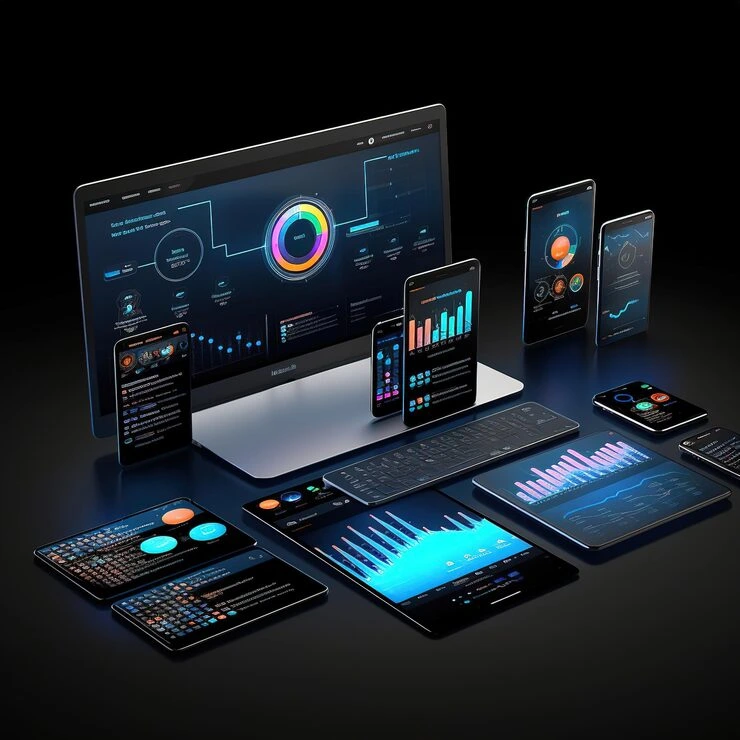
This drastically reduces the time spent on maintaining test suites and ensures that the application remains bug-free even after rapid updates.

4. Visual Regression and Pixel-Perfect Quality
Standard testing often misses visual glitches like overlapping text or misaligned buttons. AI-driven visual testing compares every pixel of the live site against the original design to ensure 100% visual accuracy.

It ensures that the premium “Apple-style” minimalist look is maintained across every browser and screen resolution without manual inspection.
5. Enhancing Accessibility with AI
AI is making the web more inclusive. Automated tools can now scan a UI and instantly suggest improvements for screen readers, color contrast, and font legibility, making the product accessible to everyone.

Conclusion
The synergy between AI and human expertise is defining the next generation of the web. By automating the repetitive parts of UI/UX and Testing, we can deliver high-converting, high-performance, and visually stunning digital experiences faster than ever before.